


Nest Notes
Can You Use PHFA Financing for a New Construction Home? A PHFA and K-FIT FAQ

November 19, 2026
Can You Use PHFA Financing for a New Construction Home? A PHFA and K-FIT FAQ
Yes. PHFA financing can be used for a new construction home, and PHFA has rate lock options built for longer build timelines. If you're working with us on a to-be-built home or a home that's still a few months from completion, the financing side doesn't have to be the hard part. It just works a little differently than financing a resale home, and knowing the difference ahead of time saves you from surprises at the lender's desk.
This FAQ walks through how PHFA treats new construction, how the K-FIT assistance loan applies at settlement, and the questions worth asking your lender before you lock a rate.
Key Takeaways
- PHFA does not provide interim construction financing. It funds the permanent loan once your home is complete.
- PHFA offers an extended rate lock for new construction on the Keystone Home Loan, with extensions available if your build runs longer than expected (PHFA, Mortgage Programs at a Glance).
- A Quick Move-In home and a to-be-built home call for different lock timing. Ask your lender which fits your situation.
- K-FIT assistance goes toward your down payment and closing costs at settlement, not toward construction costs along the way.
- K-FIT requires a minimum credit score of 660 and caps liquid assets at $50,000 after closing funds are set aside (PHFA, Assistance Loans for Home Purchase).
- Your home's final appraisal typically happens closer to completion, once the lender can confirm the finished specifications.
- Rate lock terms and extension fees change, so confirm current numbers directly with your PHFA-approved lender before you sign anything.
What PHFA Covers on a New Construction Home
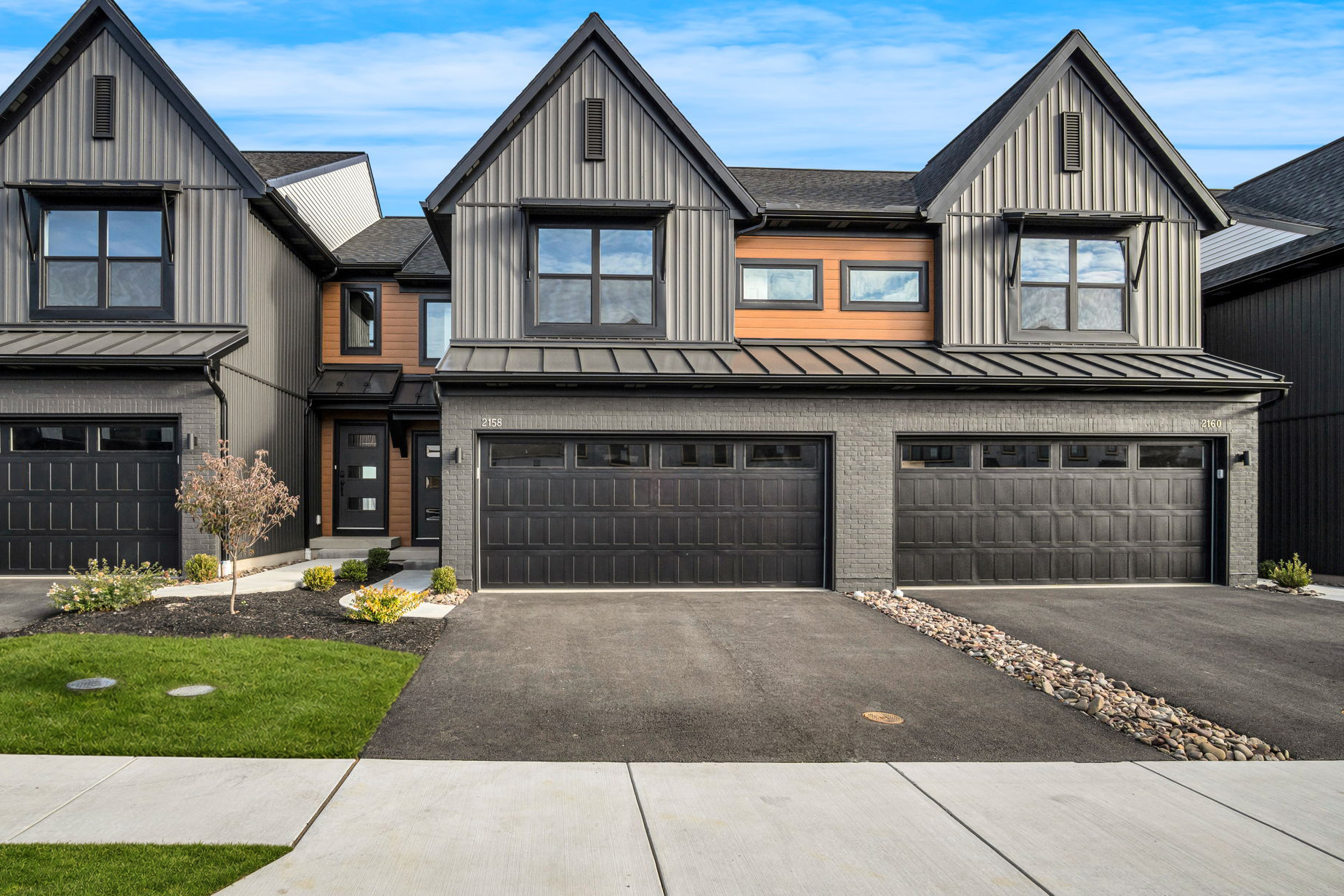
PHFA funds are not available for interim construction financing. That part of the process, the loan that covers the actual building of the home, is handled separately, often through the builder or a construction lender. What PHFA steps in for is the permanent loan on the finished home (PHFA, Mortgage Programs at a Glance).
In practice, that means PHFA becomes your long-term mortgage once your Garman home is complete and ready for settlement. The loan that gets you through the build itself is a separate conversation with your lender.
Rate Locks Built for a Build Timeline
New construction doesn't close in 30 days. PHFA accounts for that. The agency offers an extended rate lock option for new construction on the Keystone Home Loan, with additional extensions available if your build timeline runs past the initial lock period (PHFA, Mortgage Programs at a Glance).
That matters because a standard 30 or 60-day lock simply doesn't fit a home that's still framing walls. Locking too early on a loan term that's too short can mean re-locking at a different rate right when you're closest to settlement, which is the last thing you want.
Lock terms and extension costs are the kind of detail that shifts over time. Confirm the current lock period and any extension fees directly with your PHFA-approved lender before you commit to a date.
Matching the Lock to the Build
Not every new construction purchase runs on the same clock, so the lock strategy should match the home.
Quick Move-In homes. If you're buying a home that's already under construction and close to finished, your timeline to settlement is shorter and more predictable. A shorter lock window, or locking closer to your actual settlement date, often makes more sense here.
To-be-built homes. If you're starting from a lot and a floor plan, your build timeline has more variables, permitting, weather, material lead times. This is where the extended new construction lock earns its keep. Locking early protects you from rate movement over a longer build, and the extension options give you a cushion if the schedule shifts.
Your lender can tell you exactly where your specific home falls on that spectrum once you have a firm contract and an estimated completion date.
How K-FIT Fits Into the Picture
The Keystone Forgivable in Ten Years Loan Program, known as K-FIT, provides eligible homebuyers with assistance equal to 5% of the lesser of the purchase price or appraised value, with no maximum dollar limit, to put toward down payment and closing costs (PHFA, Assistance Loans for Home Purchase). The loan is forgiven over ten years at a rate of 10% a year.
That assistance applies at settlement, the same moment your permanent PHFA loan funds. It is not something you draw on during construction. Think of it as the thing that shows up at the closing table to help cover what you'd otherwise need to bring yourself.
A few eligibility details worth knowing upfront: K-FIT requires a minimum credit score of 660, the minimum loan amount is $500, and your liquid assets cannot exceed $50,000 after the funds needed to close are set aside. Retirement account funds only count toward that limit if they can be withdrawn without penalty. K-FIT can be used with the Keystone Home Loan and cannot be combined with other PHFA assistance programs, except the ACCESS Home Modification Loan Program (PHFA, Assistance Loans for Home Purchase).
Appraisal and Timing as Your Home Nears Completion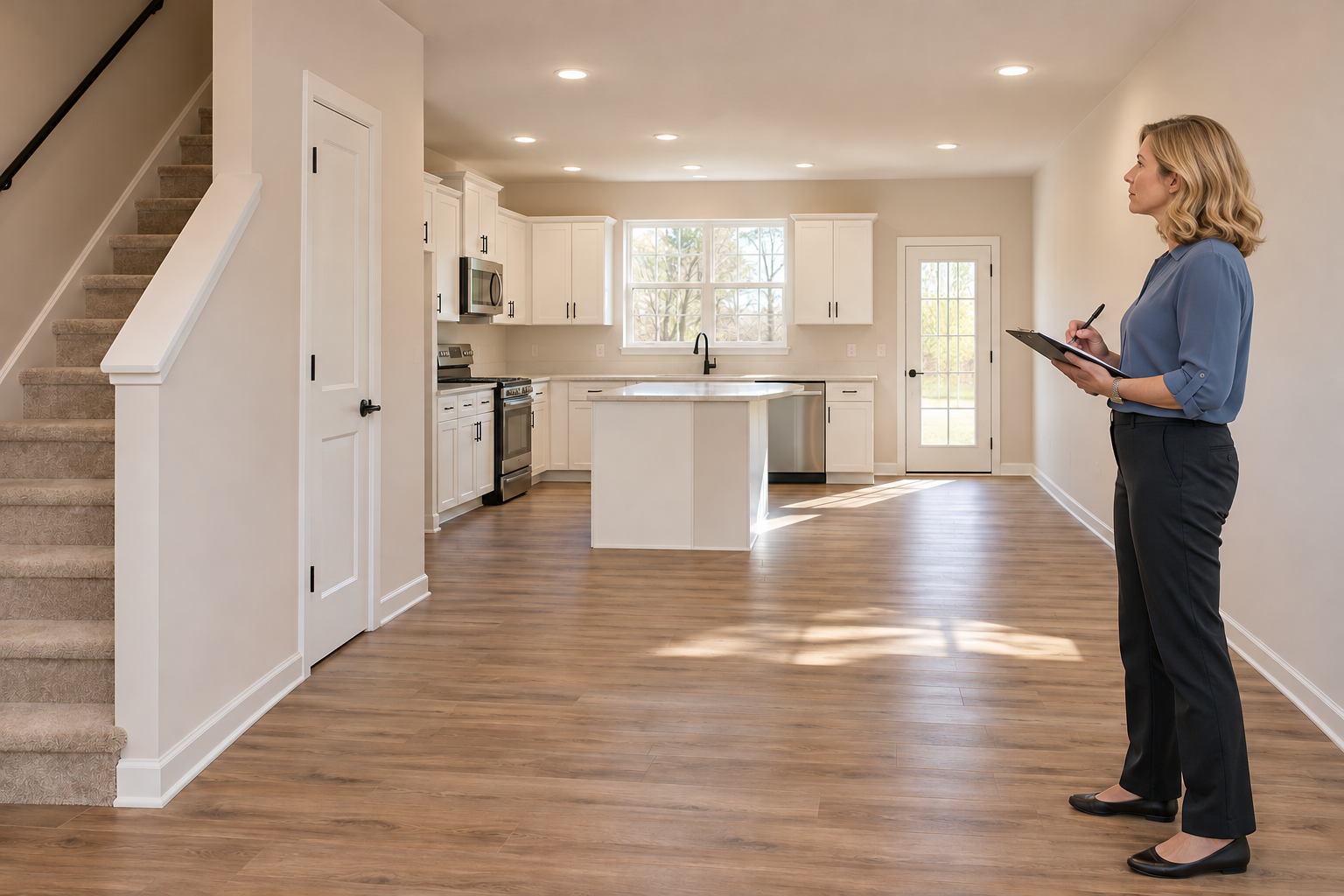
For a home that isn't finished yet, the appraisal process looks a little different than it does for a resale property. Lenders generally need the home closer to completion before a final appraisal can confirm the finished specifications, the square footage, the included features, the grade of the lot. That appraisal timing tends to land in the weeks leading up to settlement, once the home is far enough along that there's something concrete to appraise.
Ask your lender early how they sequence the appraisal against your construction schedule so there are no gaps between "home is done" and "loan is ready to close."
Questions to Ask Your PHFA Lender
Before you lock anything, bring these questions to your lender:
- What is the current rate lock term for new construction, and what does an extension cost if the build runs long?
- What are the steps between signing a contract and reaching settlement, and who handles what along the way?
- Can builder incentives be combined with PHFA assistance programs like K-FIT? Your lender and your builder's sales team are the right people to confirm this for your specific purchase.
A lender who regularly closes PHFA loans on new construction should be able to walk through all three without hesitation.
Frequently Asked Questions
Can PHFA financing be used to buy a new construction home?
Yes. PHFA does not fund interim construction financing, but it can be used for the permanent loan on a completed new home (PHFA, Mortgage Programs at a Glance).
Does PHFA offer a longer rate lock for new construction?
PHFA offers an extended new construction rate lock on the Keystone Home Loan, with extension options available if the build takes longer than expected. Confirm the current term and extension costs with your lender, since these details can change.
How much assistance does K-FIT provide?
K-FIT provides 5% of the lesser of the purchase price or appraised value, with no maximum dollar limit, forgiven over ten years at 10% a year (PHFA, Assistance Loans for Home Purchase).
When does K-FIT assistance get applied?
At settlement, alongside your permanent PHFA loan. It is not available during the construction phase.
What credit score is needed for K-FIT?
A minimum credit score of 660 is required for all borrowers.
With the right lock and a clear timeline, PHFA assistance and a brand-new home can absolutely go together. If you're exploring a new construction home with us and want to talk through how PHFA financing or K-FIT could apply to your build, reach out to our team or visit our financing resources page to start the conversation.
 0