


Nest Notes
Can You Buy a Model Home? What to Know Before You Do
November 20, 2026
Can You Buy a Model Home? What to Know Before You Do
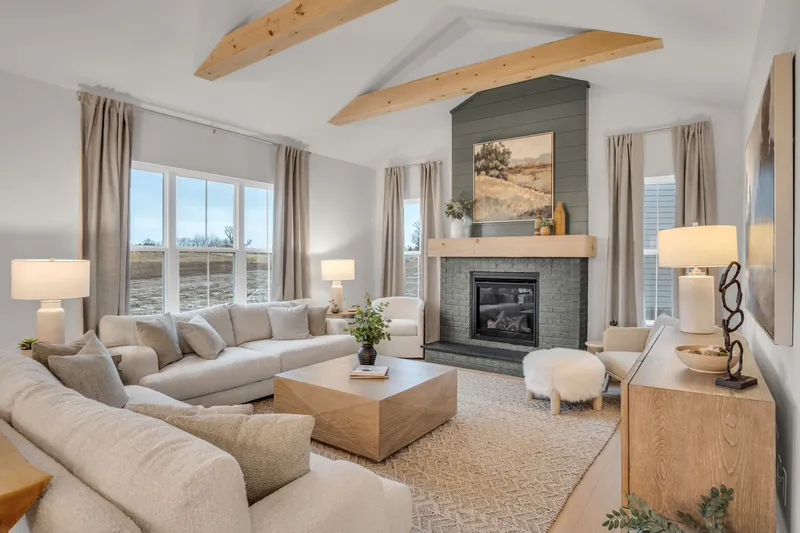
Walk through any new home community and the model is almost always the one that stops you. The landscaping is finished. The furniture is staged just right. Every upgrade option is turned on at once. It's natural to wonder: can you actually buy that house?
Yes. Builders often sell their model homes, usually as a community nears the end of sales. They can be a great value, as long as you know what to ask.
This guide walks through when that sale typically happens, what you gain and give up by buying a model, and the specific questions worth asking before you sign anything. We'll cover warranty timing, what's actually included in the sale, why an inspection still matters on a "new" home, and how leaseback arrangements work when a builder wants to keep using the home after it sells.
Key Takeaways
- Builders typically sell model homes toward the end of a community's development, once most other homes are under contract. (Redfin)
- Model homes usually come with upgraded finishes and fully finished landscaping already in place.
- Expect some wear. Months of buyer tours take a toll even on a home no one has lived in.
- A model's location, often near the entrance or along a busier community street, is worth weighing against the upgrades.
- The builder's warranty may start at construction completion rather than your move-in date, so ask if it can be extended. (Redfin)
- Furniture, decor, and fixtures may or may not convey. Get the included items list in writing before you make an offer.
- A leaseback, where the builder rents the home back from you for a period after closing, is common and worth understanding upfront.
- An independent inspection is still worth the cost, even on a home built within the last year or two.
Can You Buy a Model Home?
Model homes exist to sell the other homes around them. They're the builder's showroom, built to demonstrate floor plans, finish quality, and the lifestyle a buyer can expect from the rest of the neighborhood. Because of that, builders tend to hold onto them until they're no longer needed for touring, which is usually once the community is mostly sold out. Redfin notes that timing it this way lets the builder keep using the home for marketing right up until sales wrap up.
That makes model homes a different kind of opportunity than a typical quick move-in home. You're buying a house that's already proven itself as the best version of the floor plan, often at a point when the builder is motivated to close out the community.
The Case for Buying One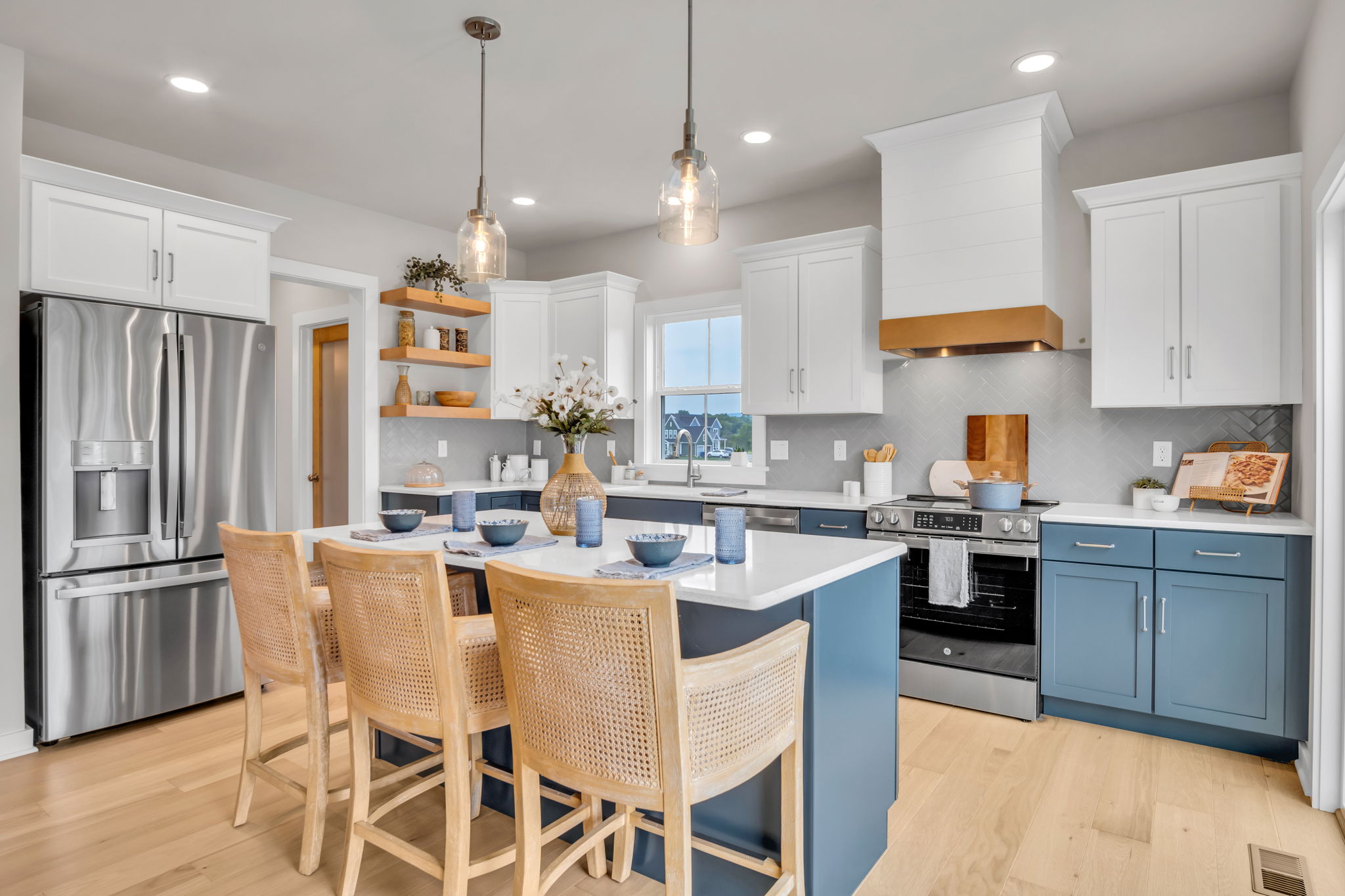
The appeal of a model home comes down to three things.
Upgraded finishes. Builders use their models to show off what's possible, which usually means upgraded flooring, countertops, cabinetry, and fixtures that would otherwise cost extra as options. Buying the model can mean getting those upgrades built into the price rather than tacked on as a list of add-ons.
Finished landscaping. A model's yard has had time to grow in. Beds are planted, sod is established, and you're not staring at a dirt lot wondering how long it'll take to look like a home. That's a real advantage over a home that just finished construction last week.
No wait on construction. The home is done. There's no framing schedule to track or weather delay to worry about. If your timeline is tight, that certainty has real value.
What to Watch For
Model homes aren't without tradeoffs, and both deserve a clear-eyed look before you fall for the staging.
Wear from tours. A model home has likely hosted hundreds of walkthroughs. Redfin points out that this foot traffic can lead to scuffed floors, worn carpet, or minor damage that wouldn't show up in a home that's never been toured. None of it is usually serious, but it's worth noting and worth asking the builder how it'll be addressed before closing.
Location. Builders tend to place model homes near the community entrance or along a more visible, higher-traffic street, since that's where buyers will see them first. That same visibility that makes a great sales tool can mean more passing traffic or less privacy than a lot further back in the neighborhood. Weigh that against the upgrades and finished landscaping before deciding it's worth it.
Ask About the Warranty First
This is the question buyers skip most often, and it's one of the most important ones. A builder's warranty typically starts on the date the home was completed, not the date you close and move in. If a model has been standing and toured for a year or more before it's listed for sale, that gap matters. Redfin specifically flags this as a point buyers should raise directly with the builder: ask whether the warranty start date can be adjusted or extended to reflect your actual move-in date, not just when construction wrapped.
Get the answer in writing. A verbal assurance from a sales rep isn't the same as a documented warranty start date tied to your closing.
Get What's Included in Writing
A model home's furniture, decor, and styling are a big part of its appeal, and also one of the easiest things to assume incorrectly. Some builders sell the model with everything staged inside. Others strip it down to a bare house before closing. Redfin's guidance here is straightforward: confirm exactly what's included, whether that's furniture, window treatments, light fixtures, or appliances, before you're under contract.
Don't rely on what you see during a walkthrough as a guarantee of what you'll get at closing. Ask for an itemized list, and have it included as part of the purchase agreement rather than a side conversation with the sales team.
Don't Skip the Inspection
It's tempting to assume a model home doesn't need the same scrutiny as a resale property, since it's newer construction and the builder stands behind it. That assumption is worth setting aside. A model home has had more foot traffic, more use, and in some cases more time since completion than a typical new build. An independent home inspection can catch wear-related issues, systems that may be a couple of years into their life already, or anything construction-related that wasn't obvious during a staged showing. It's a modest cost against the size of the purchase, and it gives you a clear picture of what you're actually buying.
Understand Leasebacks
Some builders sell the model home but aren't quite ready to stop using it as a sales center. In that case, they may ask to lease the home back from the new owner for a set period after closing, continuing to use it for tours while the buyer collects rent. It's a common arrangement, but the terms vary a lot from builder to builder.
Before agreeing to a leaseback, ask how long the arrangement would last, what condition the home needs to be in when it's handed back to you, and how the rent and any maintenance responsibilities are split during that window. A leaseback isn't a red flag on its own, but it should be spelled out clearly in the purchase agreement, not left as a verbal understanding.
How to Find a Model Home for Sale
Model homes aren't always listed the way a typical resale or quick move-in home is. The best approach is to watch a builder's quick move-in listings directly, since that's often where a model will eventually appear once the builder is ready to let it go. It also helps to simply ask the sales team. They'll know which models are approaching the end of their run as a sales tool and which ones might be available sooner than the public listings suggest.
The Best-Dressed Home in the Community, With the Right Questions Asked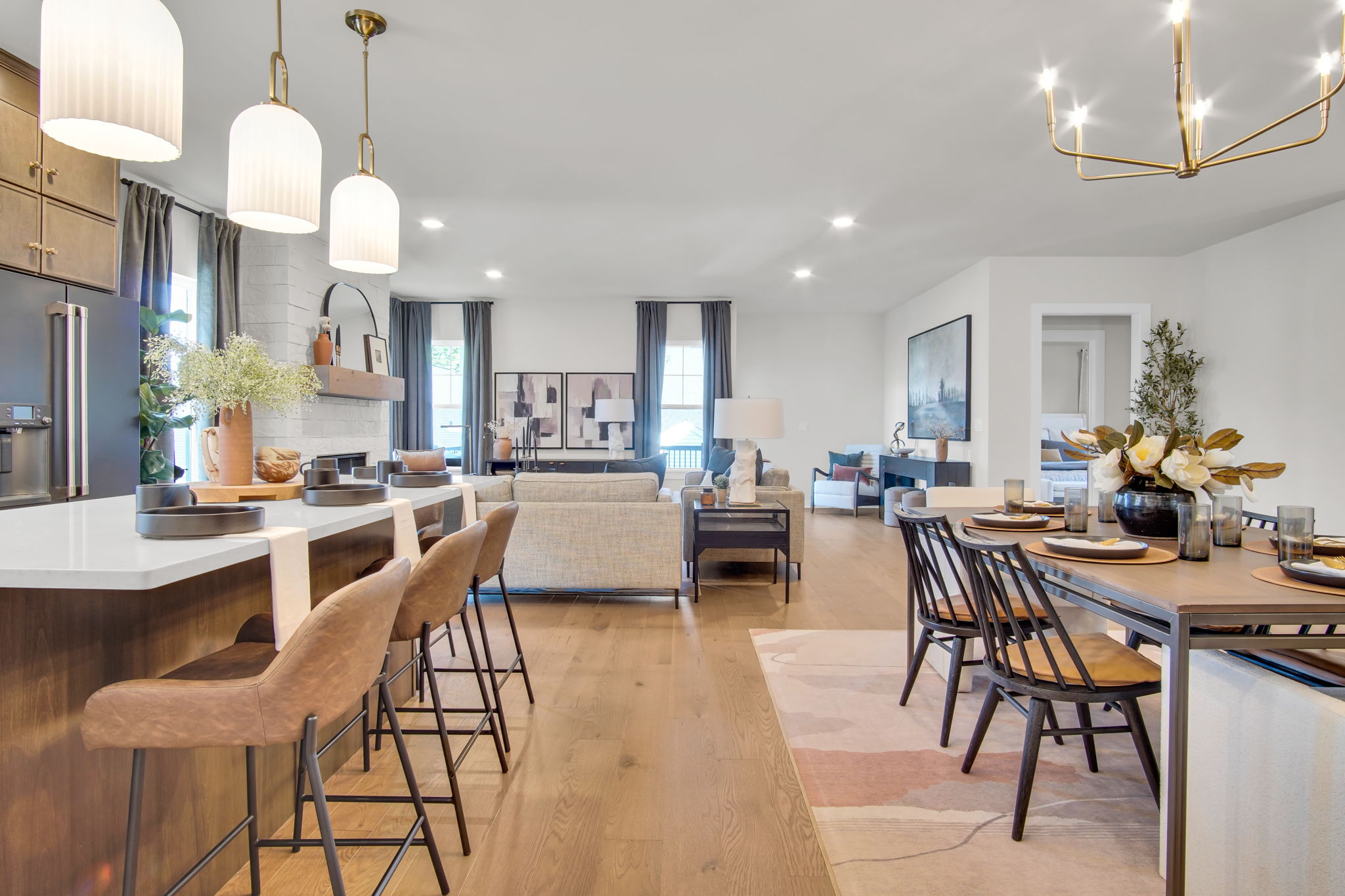
A model home is built to be the version of the floor plan that makes the strongest first impression, and that's exactly why it's worth a serious look. The upgrades, the finished yard, the move-in readiness all add up to real value. What separates a smart purchase from a hasty one is asking about warranty start dates, getting the included items list in writing, understanding any leaseback terms, and still bringing in an independent inspector, even though the home is new.
If you're exploring new construction in South Central Pennsylvania and want to understand how a specific community's home options, finishes, and process work, our team is glad to walk you through it. Contact Garman Builders to talk through what's available and what fits the way you live.
FAQ
When do builders typically sell their model homes?
Builders usually sell model homes toward the end of a community's development, once most of the other homes are sold. This lets them keep using the model as a sales and marketing tool for as long as possible.
Are model homes cheaper than other new construction homes?
Pricing varies by builder and market. Because a model home may have wear from frequent tours and isn't brand new in the strictest sense, there can be room to negotiate, though the built-in upgrades often add value that offsets this.
Does the furniture come with a model home when you buy it?
Not always. Furniture, decor, and fixtures may or may not be included in the sale. Confirm what conveys and get an itemized list in writing before signing a purchase agreement.
Does a model home's warranty start when I move in?
Not necessarily. The builder's warranty often starts when construction is completed, which may be well before your actual closing and move-in date. Ask the builder directly whether the warranty start date can be adjusted to reflect when you take possession.
Do I still need a home inspection if I buy a model home?
Yes. Even though a model home is newer construction, months or years of tours can cause wear that isn't obvious during a walkthrough. An independent inspection gives you a clear, documented picture of the home's condition before you close.
What is a leaseback and should I expect one?
A leaseback is when a builder sells the model home but continues to rent it from the new owner for a period of time to keep using it as a sales center. It's a common arrangement in new home communities, so ask about the terms, including the length, condition requirements, and rent, before agreeing to one.

 0